
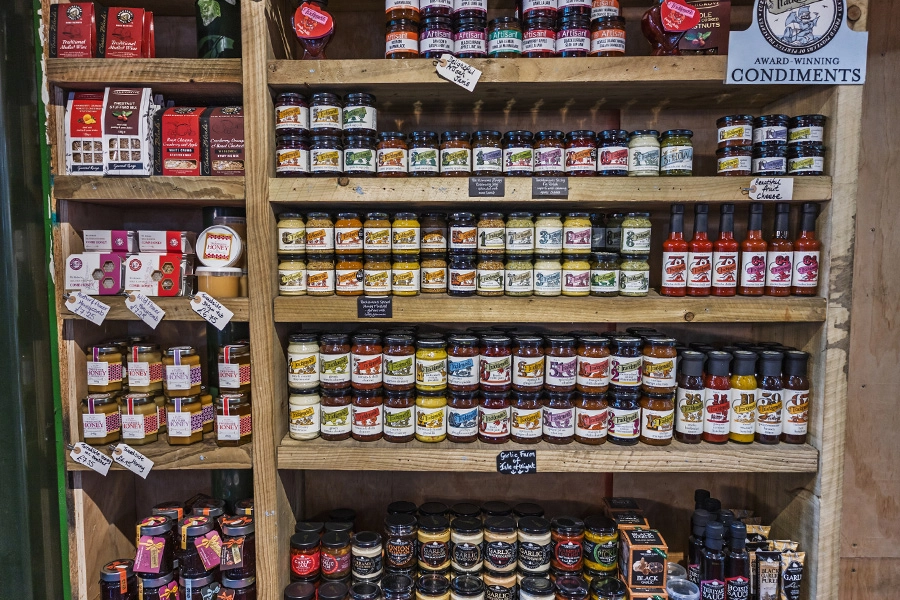
If you find yourself answering the same question — “Where can I buy this?” — every time you’re at a market, that’s your sign. It means people love what you do and want easier ways to get their hands on it. The next step? Moving your food or drink brand beyond the market stall and into retail.
Markets are fantastic testing grounds. They give you the chance to hear instant feedback, trial new flavours, and see which products fly off the table. But when your loyal customers want more between market days, it’s time to think about the next stage in your journey — retail.
Step 1: Track the Demand
Your market audience is full of valuable insight. Start keeping track of how often people ask where else they can buy your products. Are certain flavours or sizes selling faster than others? This isn’t just feedback — it’s proof of demand. You can even ask your customers where they’d love to see your products stocked. Their answers can highlight ideal retail partners and regions to target first.
Step 2: Start Building Retail Relationships
Once you’ve spotted consistent demand, it’s time to approach retailers. Independent farm shops, delis, and garden centres are perfect for artisan brands ready to take their first retail step. Don’t overcomplicate it — start with a short, friendly email or, better still, a phone call to introduce yourself. Mention that customers have been asking where they can buy your products locally. Retailers love hearing that demand already exists.
Step 3: Prepare Your Brand for Retail
Retail readiness isn’t just about production capacity. It’s about clarity. Make sure your packaging is retail-standard (clear labelling, visible ingredients, and shelf appeal) and your pricing structure works for wholesale margins. Retailers typically expect a 40% margin — so if your product retails for £5.95, ensure your wholesale price allows that comfortably.
Step 4: Keep Your Customers in the Loop
Once your products hit the shelves, let your fans know where to find them. Announce stockists on your social media and email newsletters. Independent retail thrives on personal connection, and your loyal market customers can become your first repeat buyers in-store.
Step 5: Maintain the Personal Touch
One of the biggest advantages artisan brands have is the human connection. That face-to-face chat at the market or the handwritten thank-you note in an order builds trust. Keep that personal touch alive even as you scale. Share your story, involve your audience in milestones (“We’ve just landed in our first farm shop!”), and continue to nurture relationships.
The move from market stall to retail shelves might feel like a big leap, but with the right preparation, it’s simply the next logical step in your brand’s growth. You’ve already proven that people love your product — now it’s time to make it available where they shop every day.